Table of Contents
ToggleIntroduction
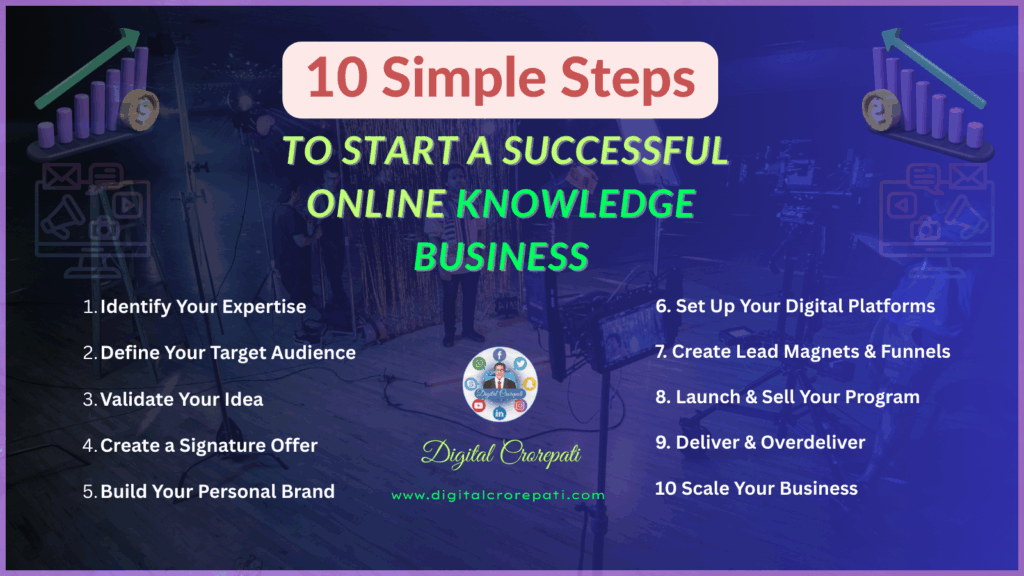
Do you know the following 10 Simple Steps to Start A Successful Online Knowledge Business in 2025? Are you ready to turn your knowledge into income with the following 10 Simple Steps To Start A Successful Online Knowledge Business in 2025? If yes, then you’re in the right place! We live in a digital age where sharing what you know can become your full-time career. Whether you’re a teacher, coach, working professional, student, or someone skilled in any field, you already have something valuable that others are willing to pay for.
This is exactly what an Online Knowledge Business is all about. And the best part? You don’t need a fancy degree or a big investment to get started, & till to become a Digital Crorepati
In this guide, we’ll walk you through 10 simple steps to start a successful online knowledge business. These steps will help you turn your passion into profit and build a strong digital presence. So, if you’ve ever dreamed of earning from your skills, this is your chance to make it real.
What Does an Online Knowledge Business Means?
An Online Knowledge Business simply means using your skills, experience, or expertise to teach, guide, or help others online — and get paid for it. This can be done through digital courses, coaching programs, consulting, ebooks, webinars, or even membership sites. The best part? You don’t need to be a tech expert or a big influencer to get started.
Right now is the perfect time to start. The digital world is growing faster than ever. Millions of people are searching online every day to learn new skills, solve problems, or grow in their personal and professional lives. Why shouldn’t they learn it from you?
Starting an online knowledge business is not just about making money. It’s about building freedom, impact, and a future where your time works for you. Imagine earning while you sleep — all because you shared your knowledge in the right way.
In this blog, you will learn the 10 simple steps to start a successful online knowledge business, even if you’re a complete beginner. These steps are easy to follow, practical, and proven to work — so stay with me till the end!
Let’s unlock the secrets of turning your knowledge into a profitable online business.
Step 1: Discover Your Profitable Niche
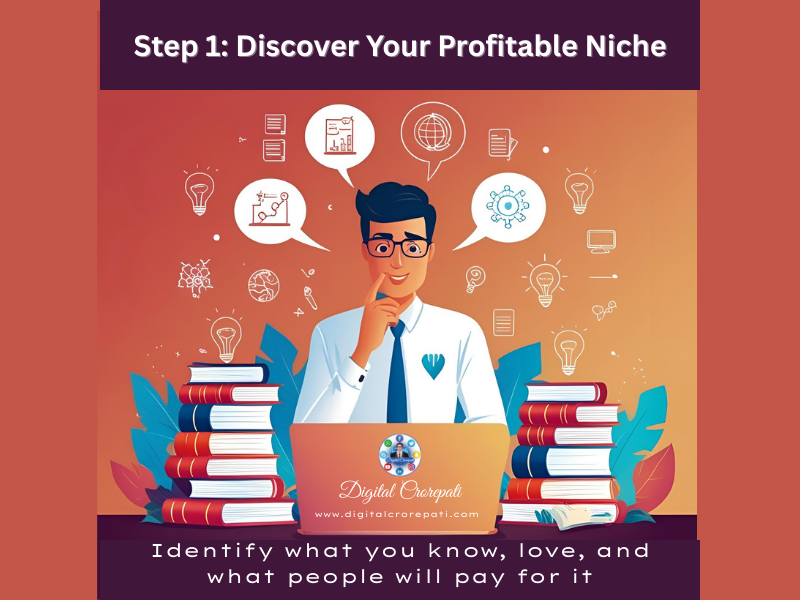
The first and most important step to start a successful online knowledge business is to discover your profitable niche.
Your niche is the specific topic or area where your knowledge, passion, and the market’s needs meet. It’s the sweet spot that helps you stand out and attract the right audience.
Think about these 3 simple questions:
- What do you know well or enjoy doing? (Your skills, experience, or passion)
- What problems can you help people solve?
- Are people willing to pay to learn this?
Let’s say you’re good at teaching English grammar, digital marketing, cooking, or even parenting tips — all of these can become your niche if others are searching for them and are ready to pay for help.
💡 Pro Tip: A profitable niche is not just something you love — it’s something people are already spending money on.
To find out if your niche is in demand:
- Search on Google and YouTube to see what questions people are asking.
- Check Facebook groups, Quora, or forums for popular discussions.
- Use tools like Google Trends or AnswerThePublic to see what’s trending.
Remember, your goal is not to be everything for everyone. The more focused your niche, the easier it is to grow your online knowledge business. People trust experts — and when you become a go-to person in your niche, your business will grow faster.
So take your time, research deeply, and choose a niche that excites you and solves real problems.
Step 2: Define Your Ideal Audience
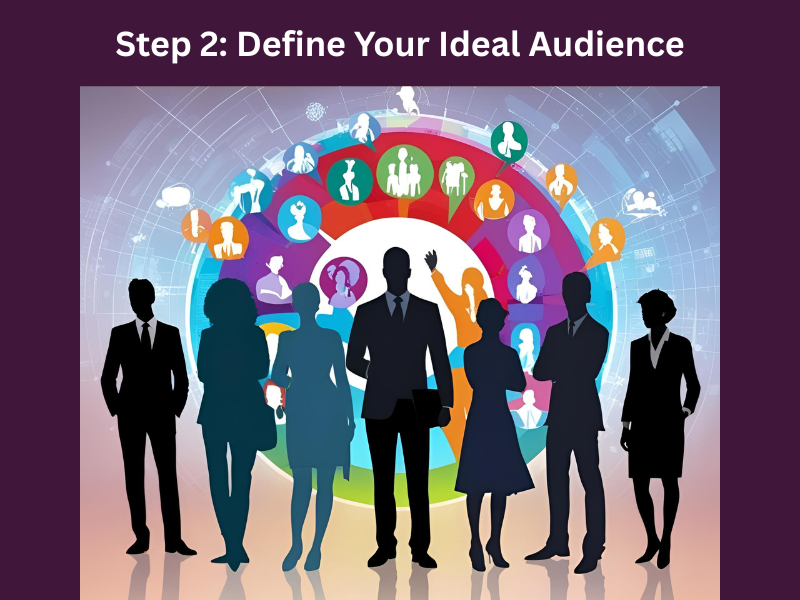
Now that you’ve discovered your profitable niche, the next step to start a successful online knowledge business is to define your ideal audience.
Your ideal audience is the group of people who need your knowledge the most — and are willing to learn from you. If you try to speak to everyone, you’ll end up connecting with no one. But when you speak directly to a specific group, they’ll feel like you truly understand them.
Ask yourself these simple questions:
- Who am I creating this knowledge business for?
- What are their problems, struggles, or goals?
- What do they dream of achieving?
For example:
- If you teach Canva, your ideal audience could be small business owners or teachers who want to create better designs.
- If you teach digital marketing, your audience might be students, freelancers, or local business owners who want to grow online.
🎯 Create an Audience Avatar (Profile)
Give your ideal audience a face. Think of one person who represents your audience — their age, profession, daily challenges, and goals. Write it down clearly.
✅ Here’s a sample: “My ideal audience is a 30-year-old teacher who wants to earn side income online by creating digital courses but doesn’t know where to start.”
When you define your audience clearly, everything becomes easier — your content, product, message, and marketing all connect better.
Remember: Success in an online knowledge business comes when you serve a specific audience with clarity and confidence.
Step 3: Design Your Knowledge Offer

Once you know your niche and your ideal audience, it’s time to design your knowledge offer — the product or service that people will buy from you.
Your knowledge offer is how you deliver your expertise in a structured, valuable way. It could be:
- An online course
- A coaching program
- A consultation service
- A digital ebook or guide
- Or even a membership site or community
🎯 The goal is not just to share information, but to solve a problem or help your audience achieve a specific result.
Ask yourself:
- What is the biggest problem my audience is facing?
- How can I solve that problem with my knowledge?
- What is the easiest way to deliver that solution?
💡 Pro Tip: Start simple. You don’t need a big, fancy course with 50 videos. A small but effective solution is more powerful. For example, a 5-day challenge, a 60-minute masterclass, or a 10-page guide can give massive value.
🔑 Focus on transformation, not just information.
People don’t pay for content—they pay for results. So, your knowledge offer should promise a clear outcome. Instead of just teaching “Digital Marketing Basics,” promise something like “How to Get Your First 1,000 Followers and Leads Online.”
Remember, your online knowledge business becomes successful when your offer solves a real problem and delivers real value.
Start with one offer. Keep it simple, practical, and powerful.
Step 4: Choose the Right Business Model
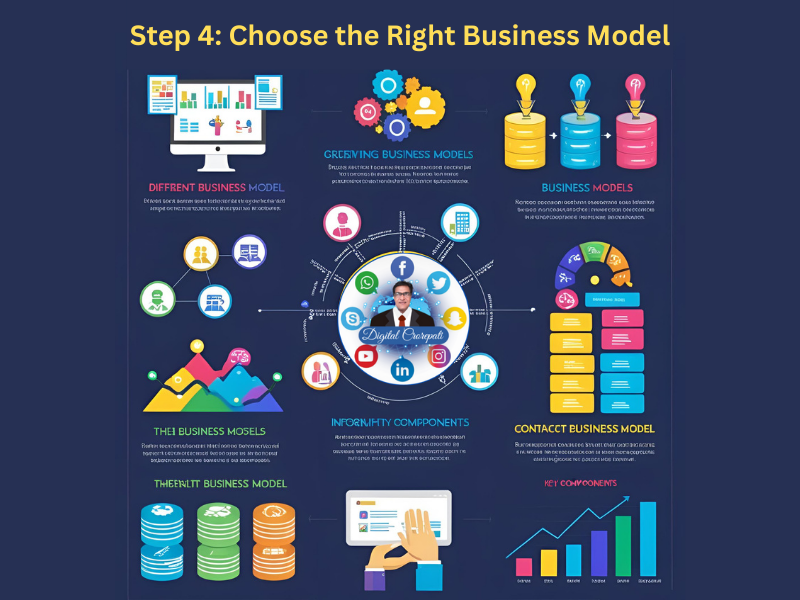
Choosing the right business model is the foundation of your online knowledge business. It’s how you decide to package, deliver, and sell your knowledge.
There’s no “one-size-fits-all” model. You need to choose what suits your style, skills, and audience best.
Here are some popular knowledge business models:
1. Online Courses
Pre-recorded lessons that people can buy and watch anytime.
✅ Best for: Teachers, trainers, and creators who want to sell passive income products.
2. Live Coaching or Group Coaching
One-on-one or group sessions done over Zoom or Google Meet.
✅ Best for: Coaches, consultants, or experts who want to give personal guidance.
3. Digital Products
Ebooks, workbooks, templates, checklists, or guides.
✅ Best for: Beginners or anyone looking to offer low-ticket products fast.
4. Membership Sites
Charge monthly or yearly fees for access to ongoing content or a learning community.
✅ Best for: Those who want long-term, recurring income.
5. Consulting Services
Give expert advice and customized strategies to clients.
✅ Best for: Professionals or subject experts.
🔑 Tip: Start with one model. Once you gain confidence, you can combine models. For example, offer a low-cost ebook to build trust, and then upsell a coaching program or course.
Remember, the business model you choose must match:
- Your comfort level
- Your audience’s needs
- Your long-term goals
The right model makes your online knowledge business smooth, scalable, and sustainable.
Step 5: Build Your Personal Brand

To start a successful online knowledge business, you must build a strong personal brand. People don’t just buy your course or product — they buy you.
Your personal brand is how people see, trust, and remember you online. It shows your personality, values, experience, and expertise. A strong personal brand makes you stand out from the crowd and attracts the right audience.
Why is personal branding important?
- It builds trust and credibility
- It helps people connect with you
- It makes your business feel more human and real
Here’s how to start building your personal brand:
- Choose Your Brand Message
What do you want to be known for? What’s your big promise?
Example: “I help teachers turn their knowledge into online income.” - Create a Strong Online Presence
Start with:- A professional profile picture
- A clear bio (on Instagram, Facebook, LinkedIn, etc.)
- A simple website or landing page that explains who you are and how you help
- A professional profile picture
- Share Valuable Content
Use platforms like YouTube, Instagram, Facebook, or LinkedIn to share tips, stories, and lessons.
Be consistent. Show up regularly. Add value. - Be Real and Authentic
Don’t try to be perfect. People connect with real stories, struggles, and wins. Show your journey.
Remember: People trust people, not just products. When your audience trusts you, they will happily invest in your knowledge.
Your personal brand is the heart of your online knowledge business — so build it with honesty, value, and purpose.
Step 6: Create Your First Digital Product
Now it’s time to bring your knowledge to life! The next big step in building your online knowledge business is to create your first digital product.
A digital product is a resource or training that people can buy, download, or access online. It can be:
- A mini course
- An ebook or PDF guide
- A video training
- A set of templates or checklists
- A recorded masterclass
Your goal is to solve one specific problem for your audience in a simple and clear way.
Here’s how to get started:
- Choose the Format
Think about what suits your audience. Do they prefer reading, watching videos, or working with templates? - Plan Your Content
Break down your topic into small, easy-to-understand sections.
Example: If you’re teaching Canva basics, divide it into: account setup, tools overview, creating designs, and saving work. - Use Free Tools to Create It
- Use Canva for design and presentations
- Use Google Docs for ebooks or worksheets
- Use Zoom or Loom for recording videos
- Use ChatGPT like me for content ideas and outlines
- Focus on Quality, Not Quantity
Your first product doesn’t need to be long or perfect. It just needs to deliver real value and real results.
Pro Tip: Keep your first digital product low-cost or even free to build trust and grow your audience fast.
Creating a digital product is exciting because it’s your first real asset in your online knowledge business. Once created, it can be sold again and again — even while you sleep!
Also read it Top 10 Most Profitable Ways To Make Money Online 2023
Step 7: Set Up a Sales System
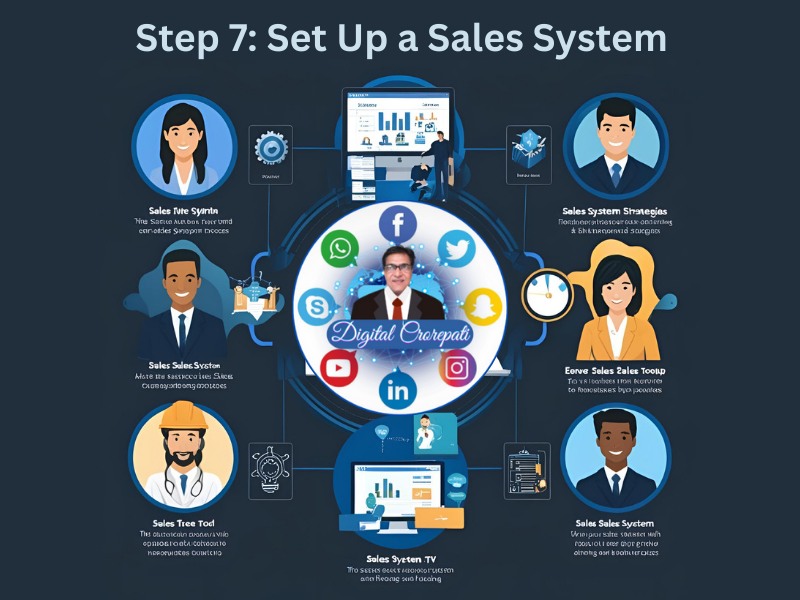
Now that you have your first digital product, it’s time to set up a sales system — the engine that brings money into your online knowledge business.
A sales system is the step-by-step journey that turns a visitor into a paying customer. It doesn’t need to be complicated. You just need a simple and smart flow that helps people:
- Discover your product
- Understand its value
- Take action and buy
Here’s how to set up a basic sales system:
1. Create a Landing Page or Sales Page
This is where you explain what your product is, who it’s for, what problems it solves, and how to buy it.
✅ Use simple tools like Canva, Systeme.io, Carrd, or WordPress to create one.
2. Add a Payment Method
Make it easy for people to pay. You can use:
- Razorpay or Instamojo (India)
- PayPal or Stripe (global)
- Google Pay or UPI (for direct sales)
3. Automate Delivery
Once someone pays, they should receive your digital product automatically. Use tools like:
- Google Drive or Dropbox for files
- Email responders like MailerLite or ConvertKit
- Online course platforms like Teachable or Thinkific (for courses)
4. Test Everything
Before going live, test your sales system yourself. Make sure all links, buttons, and emails are working perfectly.
💡 Pro Tip: Start simple, then upgrade later. A basic setup that works is better than a fancy system that confuses people.
A working sales system means your online knowledge business can start generating income, even while you’re teaching, sleeping, or spending time with family.
Step 8: Drive Traffic to Your Offer
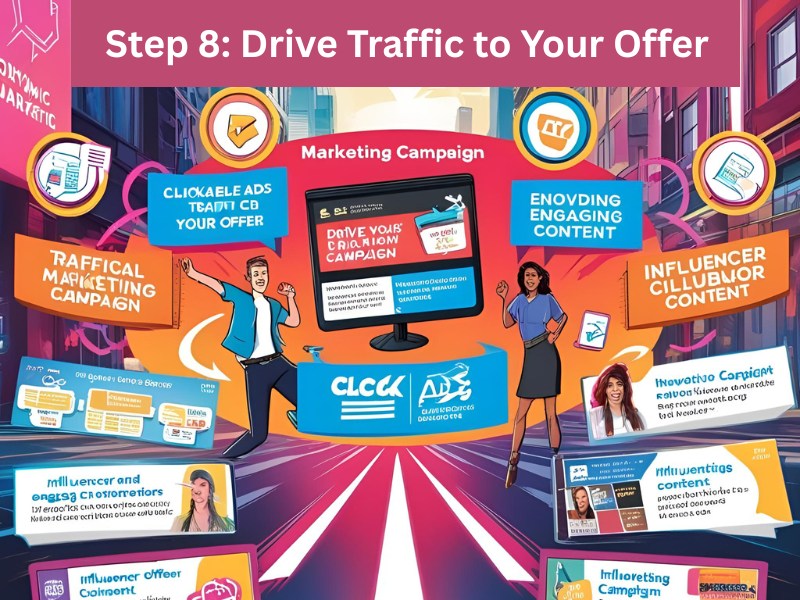
Now that your product and sales system are ready, it’s time to drive traffic — or, in other words, bring people to your website or landing page.
Without traffic, your online knowledge business won’t grow. You need to get your product in front of the right audience. There are two main types of traffic:
- Organic Traffic (free)
- Paid Traffic (you pay for ads)
1. Organic Traffic
This is traffic that comes to you for free, through efforts like:
- Content Marketing: Share blog posts, videos, or social media posts that provide value and attract your audience.
- SEO (Search Engine Optimization): Optimize your content with keywords so Google can rank it and bring in organic visitors.
- Social Media: Use platforms like Instagram, YouTube, Facebook, or LinkedIn to share helpful tips and engage with your audience.
- Networking: Join groups and communities related to your niche and participate in discussions. Offer free advice and subtly promote your product.
2. Paid Traffic
This is when you pay for ads to show your product to people who are likely to be interested.
The most common platforms for paid ads are:
- Facebook Ads
- Instagram Ads
- Google Ads
- YouTube Ads
💡 Pro Tip: Start with organic traffic first. Focus on building relationships and trust before spending money on ads. Once you have steady traffic, you can scale up with paid ads to increase visibility.
Bonus: Create Partnerships
Collaborate with other content creators, bloggers, or influencers in your niche. Doing guest posts, shout-outs, or joint webinars can help you tap into their audiences and get more traffic.
Step 9: Build a Community and Promote with Power
One of the most powerful things you can do for your online knowledge business is to build a community. When you create a group of loyal followers who support each other, they not only trust you more, but they’ll also help spread the word about your products.
A community creates a sense of belonging, and people love being a part of something. Plus, loyal followers are more likely to buy from you again and recommend your business to others.
Here’s how to build a community around your brand:
1. Choose the Right Platform
You don’t need to be on every social media platform. Focus on where your audience spends the most time.
- Facebook Groups: Great for building niche communities and hosting discussions.
- Instagram: Share updates, tips, and behind-the-scenes content, while engaging through stories and direct messages.
- YouTube: Build a loyal audience through regular content and interaction.
- Discord or Slack: Great for deeper community engagement and hosting live events or discussions.
2. Offer Value, Not Just Promotions
When you engage with your community, give them valuable content — tips, resources, insights, or encouragement. Don’t just talk about your products. Focus on creating meaningful connections.
3. Encourage Engagement
Ask questions, host polls, or run challenges that get people talking. A community thrives when people feel involved.
Example: If you’re teaching Canva, challenge your community to create and share a design using your lessons.
4. Create Exclusivity
Offer something special to your community members. This could be early access to new products, exclusive content, or discounts.
💡 Pro Tip: People love feeling like they’re part of something special. Make them feel valued, and they’ll become your biggest supporters.
A strong community is not just an audience; it’s a group of people who will help grow your online knowledge business through word-of-mouth and loyal support..
Step 10: Scale Your Knowledge Business
The last step to a successful online knowledge business is scaling. Scaling means growing your business in a way that allows you to reach more people, make more sales, and earn more — all without burning out.
You don’t have to do everything yourself or put in extra hours. Scaling is about working smarter, not harder.
Here are ways to scale your online knowledge business:
1. Create More Products
Once you have your first product, think about creating more products that complement it. If you started with a beginner course, consider offering:
- Advanced courses
- Workshops
- Coaching programs
- Memberships
By offering a range of products, you can serve different levels of learners and generate multiple income streams.
2. Automate and Delegate
To scale without overworking yourself, automate repetitive tasks like:
- Email marketing: Set up automated email sequences to nurture leads and convert them into customers.
- Sales funnels: Create a system that automatically guides visitors from awareness to purchase.
- Content creation: Hire freelancers or use tools to help with content creation, graphic design, and video editing.
3. Expand Your Marketing Reach
- Leverage Paid Ads: Once you know what works organically, scale your reach through Facebook, Instagram, and Google Ads.
- Collaborations: Work with other content creators or influencers in your niche to expand your audience quickly.
4. Build a Team
As your business grows, you may need help. Consider outsourcing tasks like:
- Customer support
- Marketing and ads
- Content creation
- Website maintenance
By building a team, you can focus on growing your business and delivering value to your customers.
💡 Pro Tip: Start small, but think big. Focus on building systems, products, and partnerships that allow you to grow steadily without overwhelming yourself.
By following these 10 simple steps, you can start, grow, and scale your online knowledge business to new heights. Remember, consistency is key. Keep learning, improving, and adapting, and soon, your business will become the online success you’ve always dreamed of! Also, Must Read It Marketing Automation Kya Hai?
Conclusion:
Starting a successful online knowledge business is no longer just a dream—it’s a real opportunity for anyone willing to take action. By following the 10 simple steps shared in this guide, you now have a clear roadmap to turn your skills, passion, or expertise into a profitable online business.
From identifying your niche and creating valuable content to building your personal brand, launching your course, and promoting it online, each step plays a key role in your journey. You don’t need to be a tech expert or spend lakhs of rupees to get started. All you need is the right mindset, the right tools, and a strong desire to help others by sharing what you know.
Remember, the digital knowledge industry is growing fast. More people than ever before are learning online—and they’re ready to pay for valuable, result-driven knowledge. Whether you’re a teacher, coach, freelancer, or working professional, this is your time to shine online and create a steady income stream doing what you love.
If you stay consistent, keep learning, and always focus on giving value to your audience, success will follow. Start small, stay focused, and don’t be afraid to make mistakes. Every successful digital entrepreneur once started from scratch—just like you.
So, what are you waiting for? Take the first step today and begin your journey to building a successful online knowledge business. The future is digital, and your time is now!
Start your knowledge business today—and turn your passion into profit.
Keyword Focus: online knowledge business, start online course, digital coaching business, how to sell your knowledge online, online course business
FAQs – Starting a Successful Online Knowledge Business
- What is an online knowledge business?
An online knowledge business is where you share your skills, experience, or expertise with others through digital products like online courses, coaching programs, eBooks, or webinars. You help people learn, grow, and solve problems—while earning money online. - Do I need to be an expert to start?
No, you don’t need to be a world-class expert. You just need to know more than the people you’re teaching. If you have real-life experience or skills others can learn from, you’re ready to begin. - How much does it cost to start an online knowledge business?
You can start with very little investment. With tools like Canva, Zoom, and affordable course platforms, you don’t need a big budget. Many people start with just a laptop, internet connection, and a willingness to learn. - Can I start without a website?
Yes, you can begin by using social media, YouTube, or platforms like Teachable, Thinkific, or Kajabi. But having your own website gives you more control and builds trust with your audience over time. - How do I find my niche?
Think about what you love doing, what you’re good at, and what problems you can solve for others. Choose a topic that excites you and that people are already searching for online. - How long does it take to make money?
It depends on your effort, strategy, and consistency. Some people start earning within a few weeks, while others may take a few months. Focus on delivering real value, and the income will follow. - Is this business suitable for beginners?
Absolutely! Anyone can start—students, working professionals, freelancers, housewives, or retirees. If you’re passionate about teaching and learning, this is the perfect online business for you.